
Bringing a newborn home is exciting, but it can also feel a little overwhelming at first. Many new dads worry about doing something wrong when they pick up their baby or try to calm them down. The truth is, newborns often respond well to simple, steady care. One of the easiest ways to comfort a baby is swaddling a newborn, a gentle wrapping technique that helps babies feel safe and secure.

Learning how to swaddle a baby can make a big difference during those early weeks. Swaddling helps recreate the cozy feeling of the womb and can prevent the sudden arm movements that often wake newborns from sleep. When done correctly, it can help babies settle faster and rest longer, which is something every new parent appreciates.
In this guide, we’ll walk through how to swaddle a newborn, step by step, along with a few simple tips that can help dads feel more confident during those first months with their baby.
Why Swaddling Helps Newborns Sleep Better
Newborns are used to a very snug environment before they arrive. Inside the womb, there isn’t much room to stretch or move around. After birth, all that open space can feel unfamiliar, which is one reason many babies seem restless during sleep. This is where newborns and swaddling often go hand in hand. When done correctly, swaddling a newborn gently recreates that cozy, secure feeling babies knew before they were born.
Swaddling also helps calm a newborn’s natural startle reflex, sometimes called the Moro reflex. During the first weeks of life, babies often fling their arms outward while sleeping, which can wake them up suddenly. Proper swaddling techniques for newborns keep those little arms tucked in comfortably so babies are less likely to startle themselves awake. With fewer sudden wake-ups, many babies are able to settle into longer and more restful stretches of sleep.
The type of blanket used for swaddling, such as a muslin blanket, can make the process easier for parents and more comfortable for babies. Muslin is lightweight, breathable and flexible enough to wrap snugly without trapping too much heat.
Why Dads Are Surprisingly Good at Soothing Babies
Many babies respond quickly to the calm, steady presence of their dad. Some people even talk about a calm daddy effect. A father’s voice is usually lower in tone, and that deeper sound can be soothing for a newborn who is feeling overwhelmed. Add slow, steady movement like gentle rocking, and babies often begin to relax within minutes.

Newborns are still adjusting to a busy world full of new sounds, lights and sensations. When things feel like too much, calm energy makes a big difference. A steady hold, quiet voice and relaxed pace can help a baby settle when they’re overstimulated or fussy. These simple actions give babies the signal that it’s time to rest.
This is where swaddling a newborn becomes especially helpful. Learning how to swaddle a baby gives dads another simple tool for calming their little one. A snug swaddle, paired with gentle rocking, often works together to help babies feel secure, comfortable and ready to drift off to sleep.
Step-by-Step Guide: How to Swaddle a Newborn with a Blanket
Learning how to swaddle a baby gets much easier when the blanket is designed for the job. A good swaddle blanket should be soft, breathable and large enough to wrap around your baby without constant adjusting. Newborns move more than many parents expect, so a little stretch and flexibility in the fabric helps keep the swaddle snug while still allowing comfortable movement for the hips and legs. It also helps when the blanket holds up well to frequent washing, since newborn days usually come with plenty of spit-ups and diaper leaks.
Many parents find that swaddling with a muslin blanket is one of the simplest ways to get started. Muslin is lightweight and breathable, which helps regulate temperature and keeps babies comfortable during sleep. The fabric also has a natural softness that makes wrapping easier when learning different swaddling techniques for newborns.
Muslin swaddles are designed with these everyday needs in mind. They’re soft, generously sized and easy to wrap, which makes them especially helpful for beginners practicing swaddling a newborn. These blankets are also surprisingly versatile. Many families end up using them as burp cloths, stroller covers, nursing covers or even a soft surface for tummy time. Having a few on hand is always helpful, since babies tend to go through more blankets in a day than most parents expect.
How to Swaddle Your Baby
Learning how to swaddle a newborn with a blanket may feel a little tricky at first, but it quickly becomes second nature with a little practice. The goal is to create a snug wrap around the baby’s upper body while leaving enough room for healthy hip and leg movement. This balance helps babies feel secure without restricting their natural development.
Step-by-step swaddling techniques for newborns:
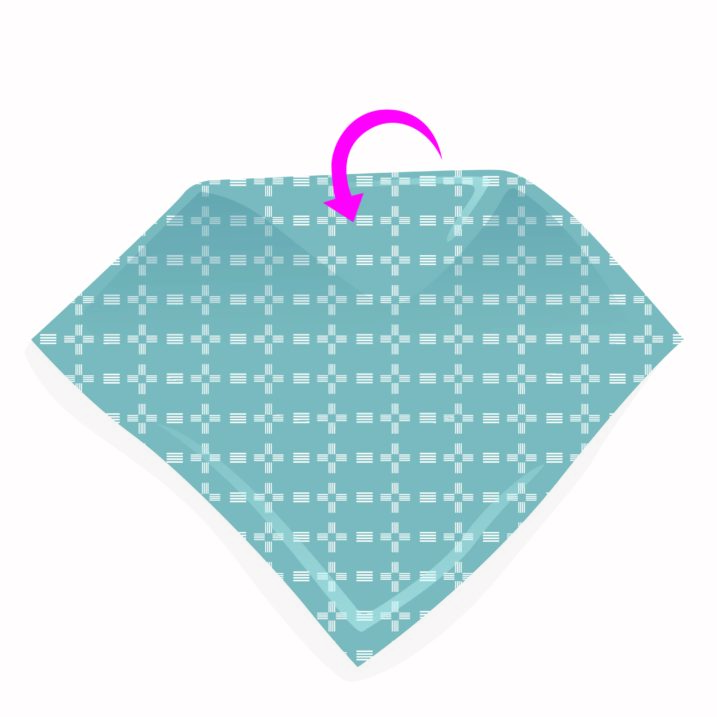 Lay the blanket in a diamond shape. Fold the top corner down to create a straight edge where the baby’s shoulders will rest.
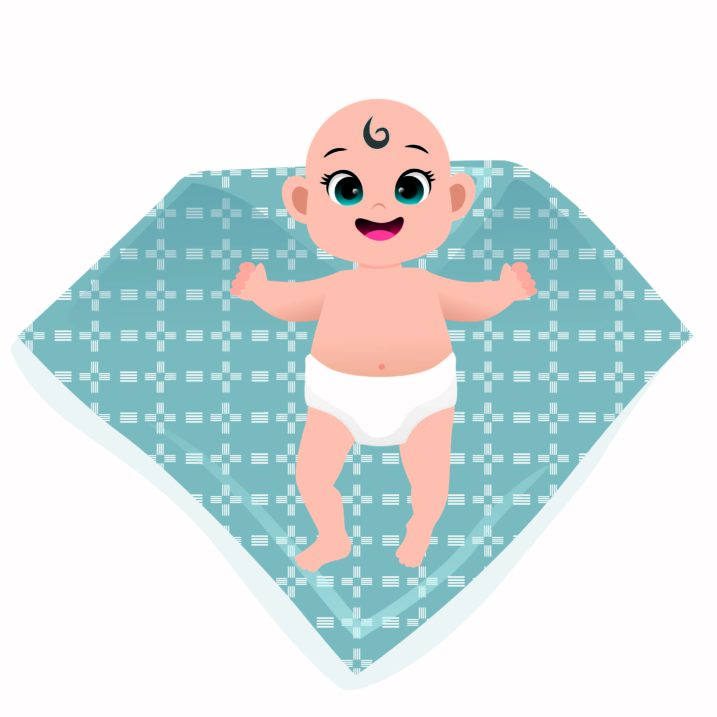
Position the baby correctly. Place your baby on their back with their shoulders just below the folded edge.
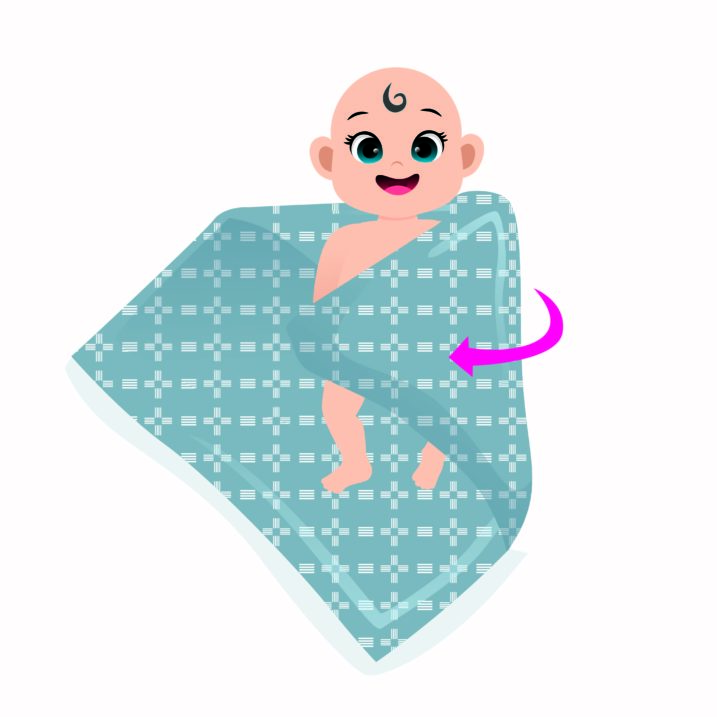 Secure the first arm. Gently hold one arm alongside the baby’s body, then bring that side of the blanket across the chest and tuck it underneath the back.
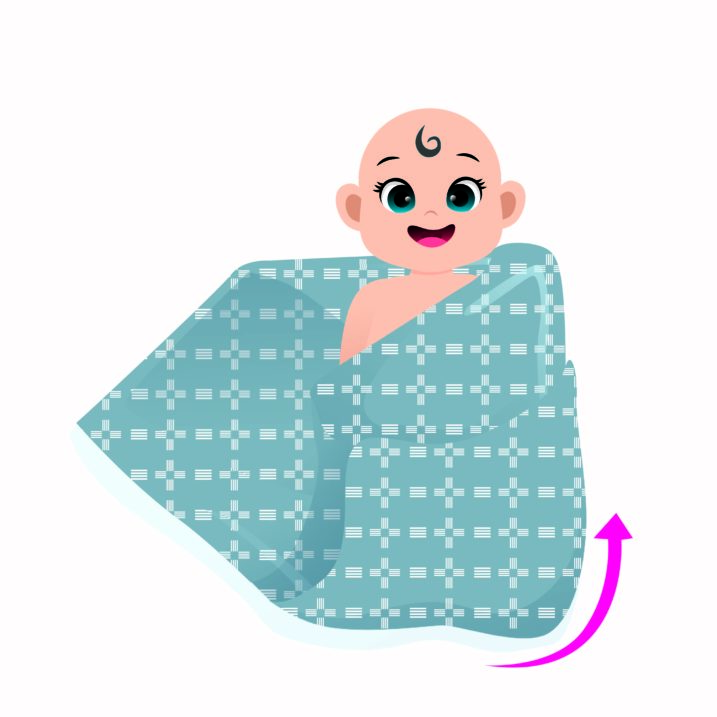 Fold the bottom over the feet. Bring the bottom corner up over the baby’s feet while keeping space for the legs to bend naturally.
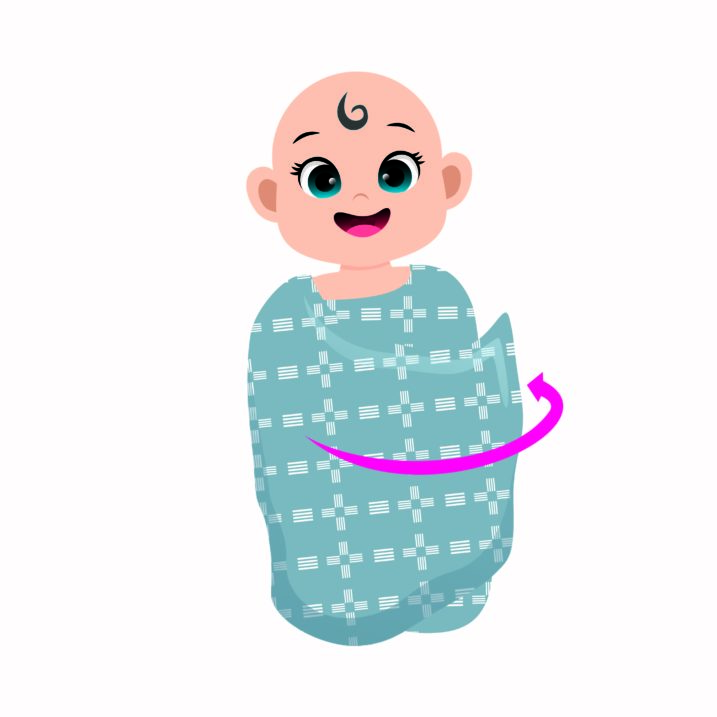 Wrap the final side. Bring the remaining corner across the baby’s chest and tuck it behind the back to finish the swaddle.
 When learning how to properly swaddle a newborn, a few small tips can help. Keep the swaddle snug around the chest so the baby feels secure, but leave plenty of room for the hips and legs to move. Practicing during calm daytime moments can also make nighttime swaddling feel much easier. Many parents find that swaddling with a muslin blanket works well because the fabric is flexible and easy to wrap.
Common Swaddling Techniques for Newborns
Every baby is a little different, which is why several swaddling techniques for newborns exist. Some babies love a snug wrap with their arms tucked in, while others sleep better when their hands are free. Learning a few simple swaddling techniques can help parents find the style that keeps their baby the most comfortable and relaxed.
Here are a few common ways to swaddle a newborn:
- Classic swaddle: This is the most traditional method. Both arms are gently tucked down along the baby’s sides while the blanket wraps snugly across the chest. This style helps reduce the startle reflex and is often helpful during the early newborn weeks.
- Arms-out swaddle: As babies grow, they may want more freedom to move. Leaving one or both arms out of the swaddle can be a helpful transition before swaddling is fully phased out.
When trying different swaddling techniques for newborns, the size and flexibility of the blanket can make a big difference. Larger blankets allow enough fabric to adjust the wrap while keeping the baby comfortable.
Swaddling Safety: What Every Dad Should Know
Swaddling can help babies sleep better, but safety should always come first. When swaddling a newborn, the wrap should feel secure around the chest without being too tight. Babies still need room to move their hips and legs so their joints can develop normally. A safe swaddle helps babies feel cozy while still allowing healthy movement.
Here are a few important safety rules to keep in mind when swaddling a baby:
- Always place your baby on their back to sleep. This is the safest sleep position for newborns.
- Leave room for hips and legs to move. The bottom of the swaddle should be loose enough for natural bending and stretching.
- Avoid overheating. Choose breathable fabrics and check the back of the baby’s neck to make sure they are comfortable, and not too warm.
- Stop swaddling once rolling begins. As soon as a baby shows signs of rolling over, swaddling should be phased out so they can use their arms freely.
Safe sleep guidance recommends following these simple precautions when swaddling a newborn. With the right technique and attention to safety, swaddling can remain a helpful part of a baby’s early sleep routine.
Troubleshooting: When Your Baby Breaks Out of the Swaddle
Some babies are expert escape artists when it comes to swaddling. They might wiggle free in the middle of a nap or seem determined to break out no matter how carefully the blanket is wrapped. This usually happens for a few common reasons: the blanket might be too small, the wrap is a little loose or the baby simply prefers to keep their arms out while sleeping.
Here are some ways to handle a Houdini baby while still keeping them safe and cozy:
- Use a larger muslin blanket. Extra fabric makes it easier to wrap snugly and reduces the chance of escapes.
- Try arms-out swaddling. Some babies settle better when their hands are free. This can be a helpful transition before moving away from swaddling entirely.
- Rewrap more snugly at the shoulders. Often, a small adjustment around the upper body is all it takes to keep the swaddle secure.
A little experimentation goes a long way.
When to Stop Swaddling
Most babies are ready to stop swaddling around 2 to 4 months, but it’s important to end it immediately if a baby starts trying to roll over. Transitioning can be done gradually by leaving one arm out, then both arms or by switching to a sleep sack that keeps them cozy without restricting movement.
Swaddling can help babies feel secure and sleep better, and with a few simple techniques, dads can do it safely and confidently. Using soft, breathable muslin swaddles from Crane Baby makes learning how to swaddle a baby easier while keeping little ones cozy and comfortable.
Frequently Asked Questions
How to swaddle a baby for dads?
To swaddle a baby, lay a blanket in a diamond shape and fold the top corner down. Place your baby on the fold, wrap one arm and side snugly, fold the bottom over the feet, then wrap the final corner across the chest to secure the legs comfortably.
What is the correct way to swaddle a baby?
Wrap the blanket snugly around the chest while leaving plenty of room for the hips and legs to move. Always place the baby on their back to sleep, and use a breathable, lightweight blanket.
Do’s and Don’ts of Swaddling
- Do keep the wrap snug at the chest.
- Do leave room for hips and legs to bend.
- Do use breathable fabrics like muslin.
- Don’t swaddle babies on their stomach or side.
- Don’t overheat your baby; check the neck for warmth.
- Don’t continue swaddling once the baby starts rolling over.